Gross Rent Multiplier for Single Family Homes and Rental Property
The gross rent multiplier is used mostly for houses and small rentals. How a single family home multiple is built, what it hides, and how to read it well.
By the GRMCalculator.com team
The gross rent multiplier for a single family home is the purchase price divided by one year of gross rent, the same formula used on any rental property. If you have seen the exam style question asking which types of properties the gross rent multiplier is used primarily for, the honest answer is small residential income property: houses, duplexes, townhouses, condos and small apartment buildings where rent is disclosed and operating costs run roughly alike. A house is where that number is easiest to collect and hardest to trust, because the resale market often sets the price instead of the rent.
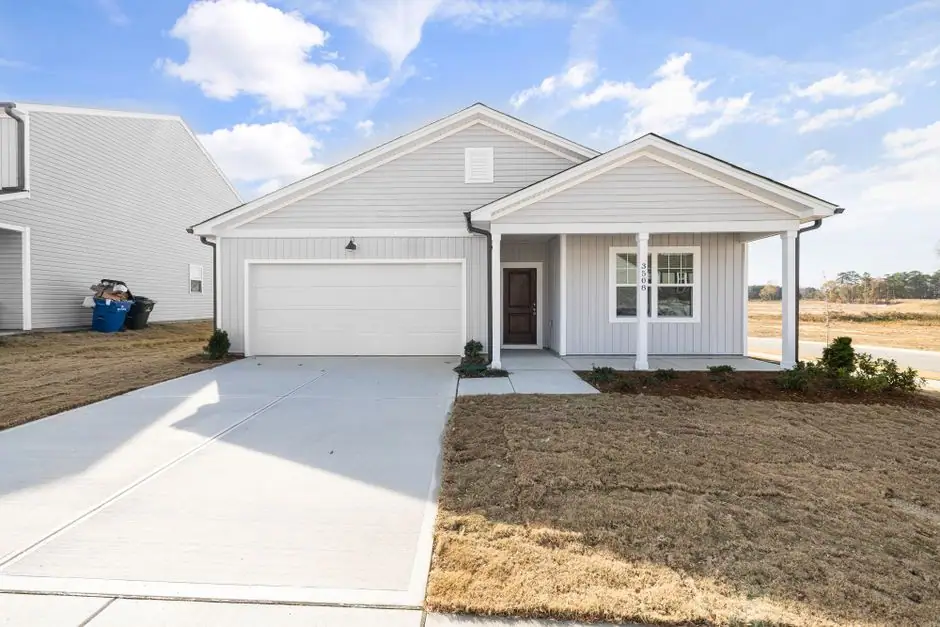
What the gross rent multiplier is commonly used for
The multiplier is commonly used for a first pass on one to four unit rentals. You need two figures, both of which are usually public: an asking price and a credible market rent. Nobody has to hand over a rent roll, a tax bill or a repair history. That is why the ratio shows up on houses, on a duplex, on townhouses and on a condo unit long before anyone builds a full income statement.
It holds up worse as the property gets less ordinary. On commercial buildings, lease structures differ so much that two properties with the same gross rent can keep wildly different amounts of it. On short term rentals, gross revenue depends on season and occupancy, so there is no stable annual rent to divide into. Houses sit at the clean end of that spectrum.
Why a house is the easiest property to screen this way
One house, one lease, one rent number. Take the standard example on this site. A $500,000 rental renting for $4,000 a month collects $48,000 a year, so the gross rent multiplier is about 10.4. When all you have is an annual figure, the simple version works the same way: $500,000 on $50,000 of annual rent is a GRM of 10.
That is a 30 second calculation you can run on every listing in a saved search. Rent comps for houses are also easier to find than rent comps for small buildings, because similar houses in the same neighborhood get listed for rent all the time with the bedroom count, bathroom count and square footage shown.
Owner occupant demand and the premium it adds
Here is the part that makes houses different. A house has two sets of buyers. Investors price it off rent. Families who plan to live in it price it off the school district, the yard, the kitchen and the drive to work. They are not dividing anything by $48,000 a year.
So the price can float well above what the rent supports. Keep the rent at $48,000 and let a strong resale market push the same house to $550,000, and the multiplier moves from about 10.4 to about 11.5. Nothing about the rental changed. The tenant pays the same, the roof is the same age, and the investor now pays almost a year and a half more of gross rent for it. In popular neighborhoods, that premium is permanent rather than a temporary distortion, which is why a house multiple should be judged against other houses and not against a target you read somewhere.
Multipliers on houses versus small multifamily
Small multifamily usually trades closer to its income, because owner occupants are a smaller share of the bidding. Price a duplex at $440,000 collecting the same $48,000 of annual rent and the multiplier is about 9.2, more than a point below the house. That gap is not a bargain by itself. The duplex may sit on a busier street, appraise against a thinner set of sales, and resell to a smaller pool of buyers.
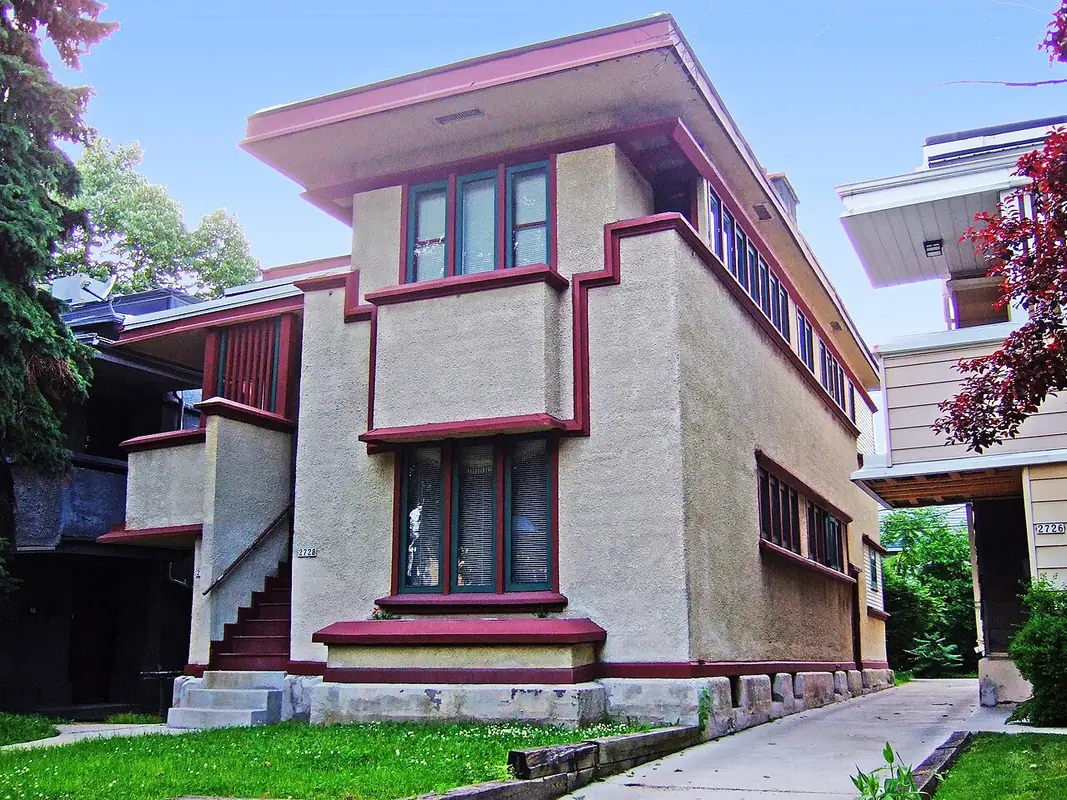
The practical rule is to compare like with like. House multiples against house multiples, duplex against duplex. Mixing property types in one list is the fastest way to talk yourself into a bad deal, and the size of the gap between them varies by metro, so measure it locally instead of assuming a number.
Single tenant risk the number hides
A house is either fully occupied or fully empty. There is no middle. If that $4,000 house sits vacant for two months between tenants, it collects $40,000 instead of $48,000, and the multiple you actually paid works out to 12.5 rather than 10.4. A four unit building losing one unit for two months gives up a fraction of that.

Capital spending lands the same way. One roof, one furnace, one water heater, all carried by a single rent stream. The multiplier says nothing about any of it, which is why a strong screening number should move a house onto your inspection list rather than into your portfolio.
Build to rent and scattered portfolios
New build to rent subdivisions are priced by the homebuilder market, so their multiples often look high next to older rented houses a mile away. You are paying for new systems and a warranty, not for rent. Decide separately whether that is worth the extra multiple.
Scattered portfolios need the math done per door. Run each house on its own, then look at the spread rather than the average. A portfolio averaging 10.4 made up of houses at 8 and 13 is two different investments stapled together. The guide on screening a list of listings covers how to sort that kind of batch.
Reading a house multiplier against neighborhood sales
A house multiple only means something next to other houses. Pull recent sales of similar houses in the same neighborhood, estimate market rent for each one, and build the multiple yourself. Three or four of those give you the local band. Anything far below it usually has a reason worth finding, such as deferred maintenance or a hard to rent layout. The metro pages show how far these bands drift between markets, which is why a multiple of 9 can be expensive in one city and cheap in another.
Run your own numbers
Put a price and a rent into the GRM Calculator on the home page and you have the multiple for any house in a few seconds. Use it to rank candidates, then dig into vacancy, taxes and repairs on the ones that survive.
Frequently asked questions
The gross rent multiplier (GRM) is used primarily for which types of properties?
Small residential income property. Houses, duplexes, townhouses, condos and small apartment buildings, where gross rent is disclosed in the listing and operating costs run roughly alike across the comparable sales. It works less well on commercial buildings with varied lease structures, on mixed use property, and on short term rentals where gross revenue swings with the season.
How do you calculate gross rent multiplier for a rental property?
Divide the purchase price by one year of gross rent before any expenses. A $500,000 rental renting for $4,000 a month collects $48,000 a year, so the gross rent multiplier is about 10.4. If you only have an annual rent figure, the math is the same: $500,000 on $50,000 of annual rent is a GRM of 10.
What is a good gross rent multiplier for a single family home?
It depends on the market, so compare against local sales rather than a fixed target. In cheaper markets with strong rents, houses often trade in the high single digits. In expensive coastal metros, double digit multiples in the teens are normal. The useful test is whether a house sits below the typical multiple for similar rented houses nearby.
Why is the gross rent multiplier less reliable on houses than on apartment buildings?
Because families who plan to live in a house bid against investors, and they pay for schools, yards and commutes rather than rent. That demand can push the price above what the rent supports. The multiplier also hides single tenant risk: one vacancy means the house collects nothing, not a small dip in total rent.